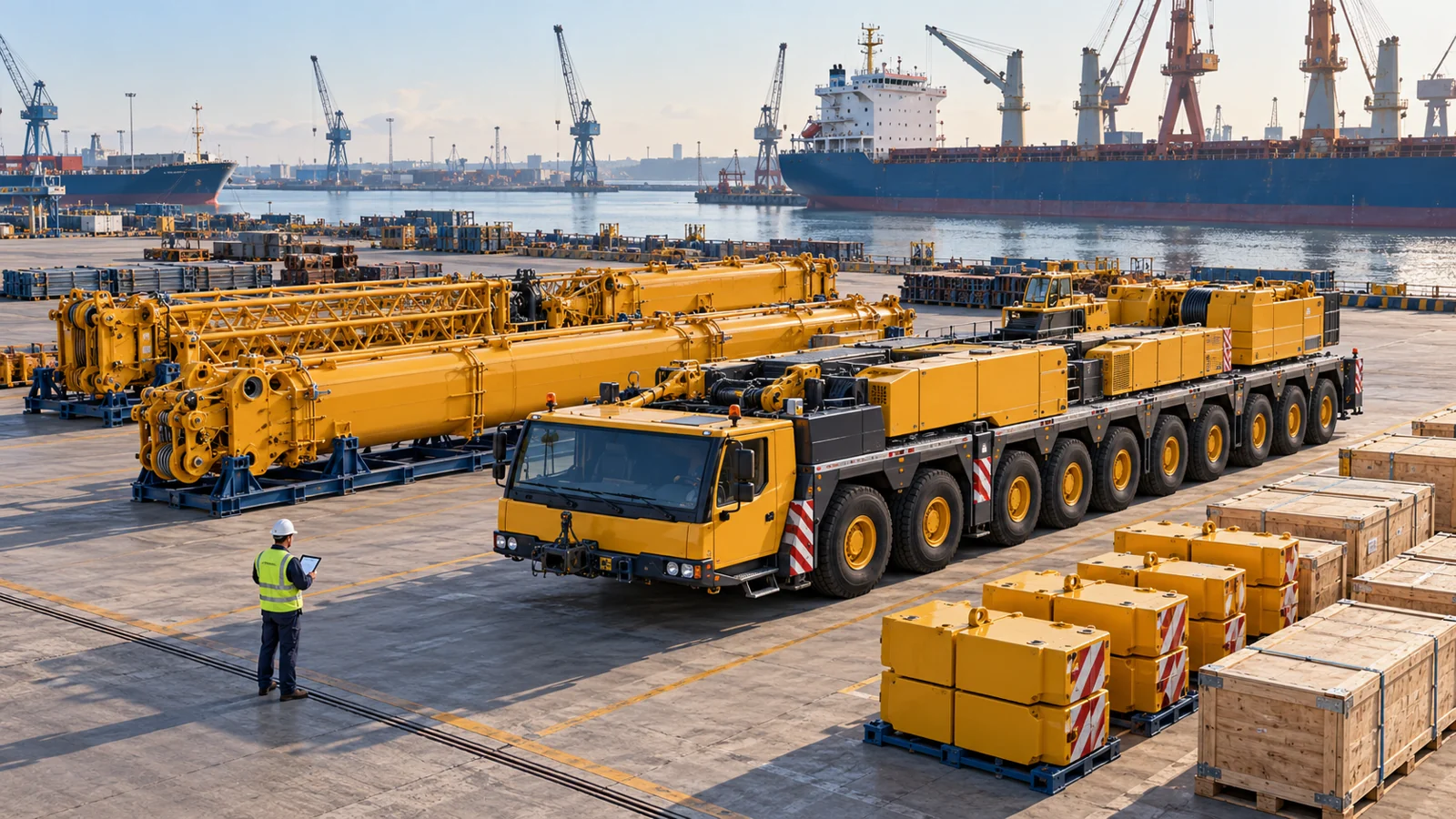
Choosing a reliable freight forwarder in China is not simply a matter of finding the lowest ocean rate. The right partner should understand your cargo, define the service scope, identify risks before booking and stay accountable when a shipment changes. For an overseas importer, the challenge is that many freight quotations look similar at first. One may include factory pickup, export customs declaration and documentation. Another may show only the main freight. A third may appear cheaper but leave destination charges, unloading, storage or container-return responsibilities unclear. This guide explains how to verify a China freight forwarder, compare quotations on the same basis and test the working relationship before committing valuable cargo.
What does a reliable freight forwarder in China actually do?
A freight forwarder coordinates the handovers between suppliers, truckers, warehouses, customs brokers, terminals, carriers and destination partners. The forwarder may not physically perform every task, but should explain who is responsible for each stage and what information is required from the importer.
Reliability should be visible in the process:
- The forwarder asks detailed questions before confirming a price.
- Assumptions, inclusions and exclusions are written clearly.
- Cargo restrictions are checked before the goods reach the port.
- Documents and deadlines are followed up before they become urgent.
- Changes are communicated with evidence rather than vague promises.
- Destination responsibilities are discussed before departure.
A large advertisement, a low rate or a fast WhatsApp reply can attract attention. None of them, by itself, proves that the shipment will be controlled properly.
1. Verify the legal company—not only the English trading name
Ask the forwarder for its complete Chinese registered company name, Unified Social Credit Code, registered address and business licence. An English brand name may not match the legal entity shown on a bank account or contract, so request a written explanation of the relationship if the names differ.
Chinese company registration information can be checked through the National Enterprise Credit Information Publicity System. Searching usually works best with the exact Chinese legal name or Unified Social Credit Code.
Review whether:
- The company status is active.
- The registered business scope is consistent with the service offered.
- The contracting, invoicing and receiving entities are identified.
- The operating address and contact information are credible.
- Any unexplained change of beneficiary or bank account is independently verified.
Qualification should also be checked in context. For ocean freight, ask which legal entity acts as the NVOCC or issues the house bill of lading. If the shipment involves United States ocean trades, the relevant entity can be checked in the Federal Maritime Commission OTI List. A licence, registration or membership is useful evidence, but it is not a substitute for checking the actual service scope and operational competence.
2. Choose experience that matches your cargo and route
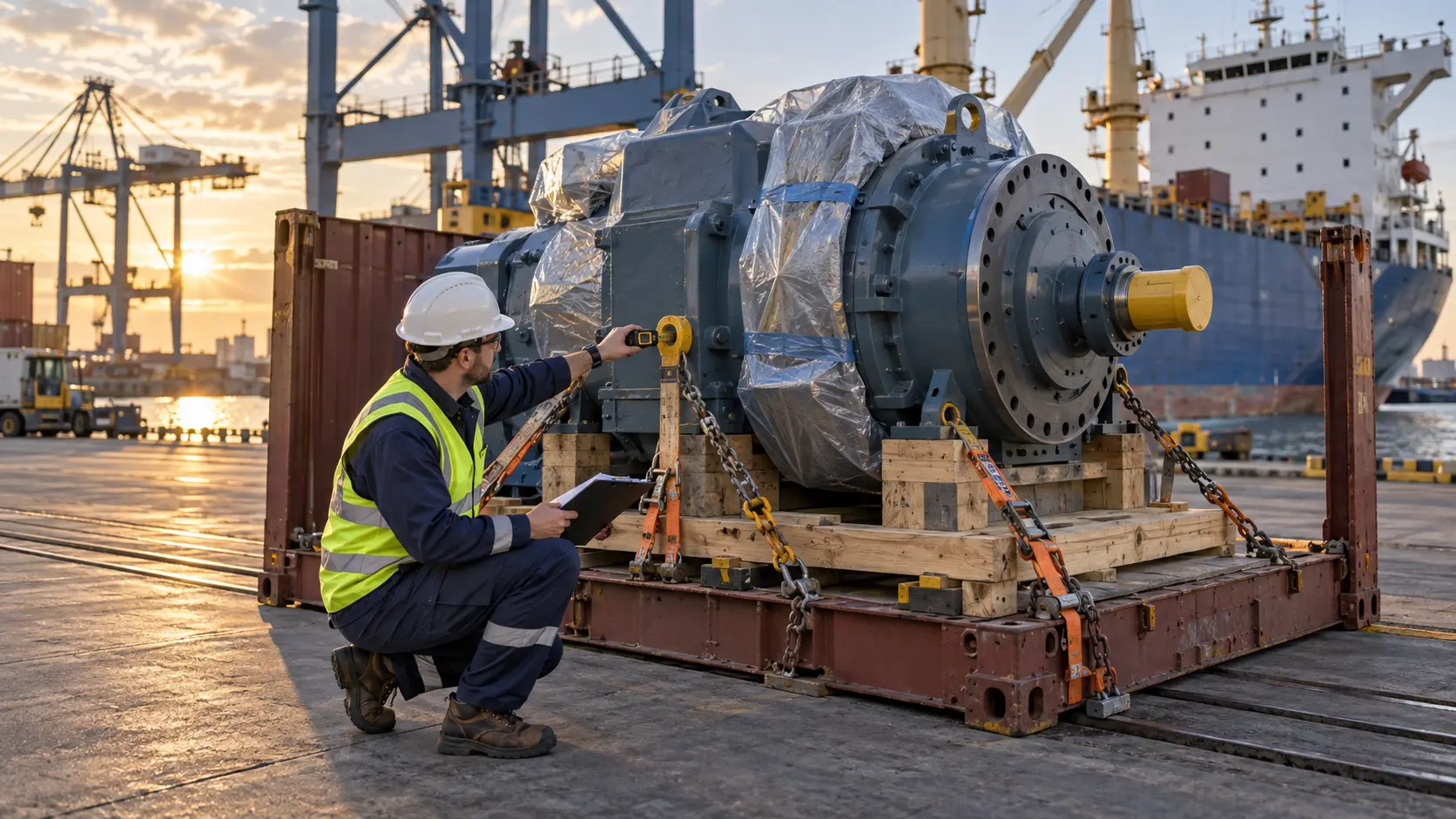
There is no single freight forwarder who is automatically best for every shipment. A provider may be strong in ordinary FCL containers but have limited experience with batteries, chemicals, food, fragile furniture, vehicles or oversized machinery.
Ask for a process explanation based on cargo similar to yours:
| Your shipment | Useful experience to verify |
|---|---|
| Standard FCL | Container selection, VGM, cut-off control and empty return |
| LCL cargo | Chargeable volume, consolidation, labels and destination LCL charges |
| Multi-supplier orders | Warehouse receiving, shipment marks and shortage reporting |
| Furniture or building materials | Packing, moisture, timber and unloading requirements |
| Batteries, liquids or chemicals | Classification, MSDS review and carrier acceptance |
| Vehicles or mobile machinery | Running condition, fuel, dimensions, RoRo or container loading |
| Oversized project cargo | Lifting points, route survey, lashing and special-equipment approval |
Do not ask the forwarder to reveal another customer's confidential documents. Instead, ask them to explain the operating sequence, common failure points and information needed for carrier approval.
3. Judge the quality of the questions you receive
One of the fastest ways to evaluate a China shipping agent is to look at the questions asked before quotation.
A responsible forwarder normally requests:
- Full product description, material and intended use
- Quantity and number of packages
- Packed dimensions and gross weight for each package type
- Pickup city, supplier address and loading conditions
- Cargo-ready date and required delivery timing
- Destination port, postcode or final delivery address
- Incoterm and requested service scope
- Stackability, fragility and unloading requirements
- Batteries, liquids, powders, magnets, chemicals or timber
- Commercial documents and any special destination requirements
If a final price is offered after receiving only “five cubic metres to Australia,” the quotation must contain assumptions. Ask what those assumptions are.
The ICC Incoterms rules help define tasks, costs and risks between buyer and seller, but an Incoterm does not replace a shipment-specific freight scope. The forwarder still needs to know who will arrange pickup, export handling, destination clearance, delivery and unloading.
4. Compare the total quotation scope, not the headline freight rate
The lowest quoted ocean freight is not necessarily the lowest landed logistics cost. Compare each offer line by line using the same cargo data, route, container type, free-time assumptions and destination scope.

A complete comparison should address:
| Cost or responsibility | Questions to ask |
|---|---|
| China pickup | Is the truck based on the correct address, cargo weight and loading method? |
| Warehouse | Are receiving, measurement, storage, palletising or consolidation included? |
| Export handling | Are customs declaration, documentation, VGM and terminal charges included? |
| Main transport | Is the rate valid for the confirmed carrier, route, equipment and sailing period? |
| Destination charges | Which carrier, terminal, documentation or deconsolidation charges remain payable? |
| Clearance | Who acts as importer, who files the entry, and are duty and tax excluded? |
| Delivery | Does the rate include appointment, waiting time, tail lift, crane or unloading? |
| Container return | How much free time applies and where must the empty container be returned? |
| Exceptions | How are inspection, storage, demurrage, detention and amendments charged? |
Ask the forwarder to mark estimates separately from confirmed charges. Some destination fees cannot be fixed months in advance, but the possible payer and charging basis can still be explained.
For a practical list of information to request, use our China freight quotation checklist.
5. Test whether communication is operational or only promotional
Good communication is not measured only by reply speed. It is measured by whether the reply moves the shipment forward.
Before appointing a forwarder, observe whether the contact person:
- Answers the specific question you asked
- Separates confirmed facts from estimates
- Gives a deadline and follows it
- Identifies missing documents early
- Provides booking, container or bill-of-lading references when available
- Explains a delay instead of repeatedly saying “please wait”
- Confirms important approvals in writing
Ask who will handle the shipment after payment. Some sales contacts disappear once the booking is transferred to operations. A reliable provider should identify the daily contact and escalation route.

6. Check warehouse controls for multi-supplier cargo
Warehouse capability matters when goods arrive from several factories. Without a receiving reference or shipping mark, cartons can be assigned to the wrong shipment, delayed during consolidation or left unidentified in storage.
A controlled receiving process can include:
- Importer name or customer reference
- Supplier name and purchase-order number
- Package count and arrival date
- Exterior-condition photographs
- Measured dimensions and gross weight
- Visible-damage or shortage reporting
- Relabelling and shipping-mark confirmation
- Consolidated packing-list reconciliation
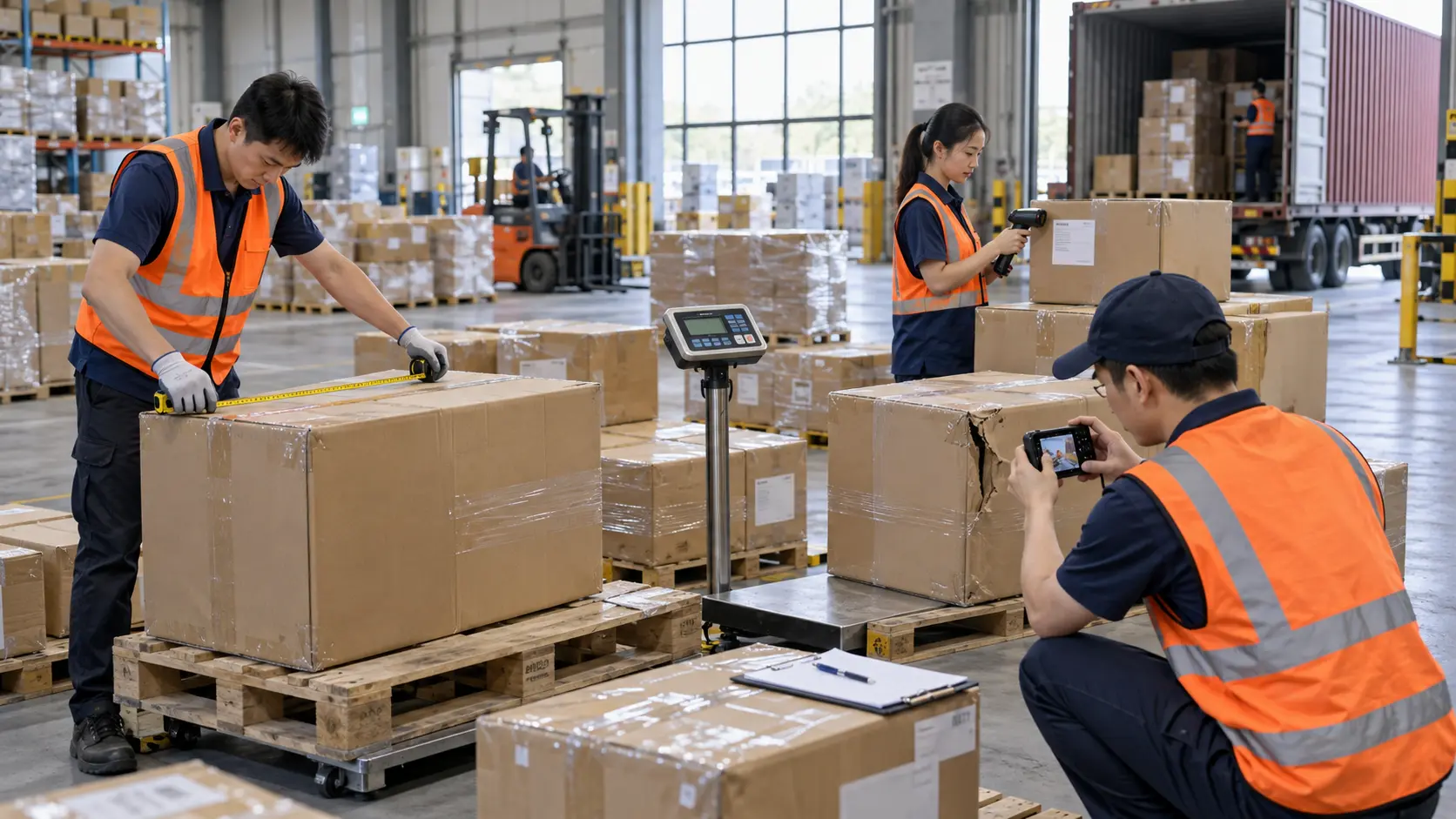
Clarify the difference between basic receiving and product inspection. Warehouse staff may count packages and report visible damage, but detailed quantity, model, colour or functional inspection requires an agreed checklist and service scope.
If you purchase from several suppliers, review our China warehouse consolidation process.
7. Examine how destination responsibilities are handled
A China freight forwarder can coordinate origin documents and destination handoffs, but import clearance, duty, tax, inspection and delivery requirements depend on the cargo and destination jurisdiction.
Ask these questions before departure:
- Who is the destination agent or customs broker?
- Has the importer confirmed product admissibility?
- When should the clearance documents be submitted?
- Who receives the carrier's arrival notice and invoice?
- What payment or document is required for cargo release?
- Which terminal, depot or warehouse will release the cargo?
- Who books delivery and provides unloading equipment?
- Where and when must an empty container be returned?
Be cautious if anyone guarantees customs clearance without reviewing the commodity, material, declared value, origin, importer status and destination rules. A professional answer may sometimes be “we need the customs broker or authority to confirm this before shipping.”
Our guide to avoiding unexpected destination shipping charges explains why carrier invoices, terminal costs and container-return deadlines should be checked before arrival.
8. Protect payments and shipping documents
Freight transactions often involve suppliers, forwarders, co-loaders, carriers and destination partners. That makes payment and document verification essential.
Use these controls:
- Confirm the beneficiary name before the first transfer.
- Verify any bank-detail change through a previously confirmed phone number or channel.
- Put the invoice, booking or bill reference in the payment instruction.
- Send remittance evidence and ask for written allocation confirmation.
- Confirm who will issue the house bill and master bill information.
- Review shipper, consignee, notify party, cargo description, package count and freight terms before document cut-off.
- Agree whether the release will use an original bill, sea waybill or electronic release.
A payment receipt shows that a transfer was initiated; it does not always mean the final recipient has received and allocated cleared funds. Build banking and document-processing time into the plan, especially before weekends and public holidays.
For document preparation, see documents required for shipping from China.
9. Ask how problems are handled before a problem occurs
Most shipments involve variables: final dimensions change, production finishes late, the selected vessel closes early, cargo is rolled, customs requests more information, or a consignee cannot collect on time.
A reliable freight forwarder should explain:
- How quote revisions are approved
- What happens if actual weight or volume differs
- How cut-off times are communicated
- How alternative sailings are compared
- Which events are controlled by the carrier or authority
- What evidence will be provided for additional charges
- How claims or cargo damage will be documented
The best time to discuss demurrage, detention, storage, amendment fees and cargo insurance is before the booking—not after an exception has already occurred.
10. Start with a controlled test shipment
For a new relationship, begin with a shipment whose risk you can manage. This might be one LCL consignment, one container or one clearly defined supplier order.
Before the test begins, record:
- Agreed service scope
- Cargo information used for quotation
- Responsible contact at each stage
- Document deadlines
- Payment instructions
- Expected updates
- Destination handoff
After delivery, review whether the actual charges matched the agreed basis, whether milestones were communicated and whether problems were explained promptly. A successful test provides more useful evidence than a long list of promotional claims.
A 100-point freight forwarder evaluation scorecard
You can use this simple scorecard when comparing two or three providers:
| Area | Weight | What good performance looks like |
|---|---|---|
| Legal identity and applicable qualifications | 15 | Names, records and contracting entity are clear |
| Cargo and route competence | 20 | Risks and operational requirements are explained accurately |
| Quotation transparency | 20 | Inclusions, exclusions, validity and assumptions are written |
| Communication | 15 | Named contact, useful updates and escalation route |
| Origin control | 10 | Pickup, warehouse, export and cut-off process is defined |
| Destination planning | 10 | Clearance, release, delivery and return responsibilities are discussed |
| Payment and documents | 5 | Beneficiary and document procedures are consistent |
| Exception handling | 5 | Changes and additional costs require evidence and approval |
Do not appoint a provider only because it has the highest marketing score. Use the scorecard to expose unanswered questions and compare the working process on the same basis.
Red flags when choosing a China shipping agent
Pause and investigate further if you see several of these warning signs:
- A final rate is issued without product, weight, dimensions or destination details.
- The quotation has no validity period or exclusion list.
- The company refuses to provide its Chinese legal name.
- Bank details change suddenly without independent verification.
- The provider guarantees customs clearance before reviewing the commodity.
- Restricted cargo is described as “ordinary goods” without documentation review.
- Destination charges are dismissed as “nothing to worry about.”
- The house bill issuer and contracting party cannot be identified.
- Additional charges appear without a calculation basis or supporting evidence.
- The sales contact will not identify the operations team.
One warning sign may have a reasonable explanation. Several unresolved signs indicate that the low quotation may carry a higher operational or payment risk.
How TengYoda approaches freight forwarding from China
TengYoda Logistics is a China-headquartered international freight forwarder with more than a decade of industry experience, NVOCC qualification and support from a team of more than 50 logistics professionals.
Our work starts with the cargo rather than a generic rate. We review the product, packed dimensions, weight, supplier location, cargo-ready date, destination and requested delivery scope before recommending FCL, LCL, air freight, express, RoRo or project-cargo options.
For multi-supplier shipments, we can coordinate China pickup, warehouse receiving, consolidation and export dispatch. For vehicles, heavy machinery or unusual cargo, we focus on dimensions, operational condition, loading restrictions, carrier acceptance and destination unloading before the shipment moves.
The objective is not to promise that every cost or schedule can be controlled. It is to make responsibilities, assumptions and foreseeable risks visible early enough for the importer to make a better decision.
Learn more about our freight forwarding service, global sea freight booking and RoRo and project cargo coordination. If you would like a shipment review, send TengYoda your cargo details: product name, quantity, packed dimensions, gross weight, pickup city, destination and cargo-ready date.
Frequently asked questions
How do I verify a freight forwarder in China?
Request the Chinese legal company name, Unified Social Credit Code, business licence, operating address and contracting entity. Check the legal information through China's National Enterprise Credit Information Publicity System. Verify any route-specific licence or registration with the authority that applies to the service being offered.
Should I choose the cheapest freight forwarder in China?
Not without comparing the same scope. A lower rate may exclude origin handling, carrier surcharges, destination charges, clearance, delivery, unloading or container-return risks. Compare the complete quotation basis and ask which items remain estimates.
What information should I send for an accurate freight quote?
Send the product description, package count, packed dimensions, gross weight, pickup address, cargo-ready date, destination, Incoterm and delivery requirements. Identify batteries, liquids, chemicals, timber, fragile cargo or oversized pieces before quotation.
Is NVOCC qualification enough to prove a forwarder is reliable?
No. It can be an important qualification for the relevant ocean-freight activity, but reliability also depends on the legal entity, cargo competence, quotation transparency, communication, origin control and destination planning.
Can I use one China freight forwarder for several suppliers?
Yes, if the receiving and consolidation process is defined. Every supplier should use the correct warehouse address, importer reference, purchase-order number or shipping mark. Confirm which receiving, measurement, photography, inspection, repacking and storage services are included.
When should I appoint a freight forwarder in China?
Contact the forwarder before production is completed, especially for full containers, special cargo or shipments with fixed delivery dates. Early review allows time to check cargo restrictions, packing, space, documents, pickup arrangements and destination requirements.
Reference resources
- National Enterprise Credit Information Publicity System
- Federal Maritime Commission OTI List
- ICC Incoterms rules
Important: This article provides general shipment-planning and due-diligence guidance. Licensing, customs, tax, cargo acceptance and transport requirements depend on the legal entity, trade lane, commodity and destination. Confirm shipment-specific requirements before booking or payment.