FCL container shipping
20-foot, 40-foot or high-cube container planning for larger orders, using the actual cargo and loading requirements.
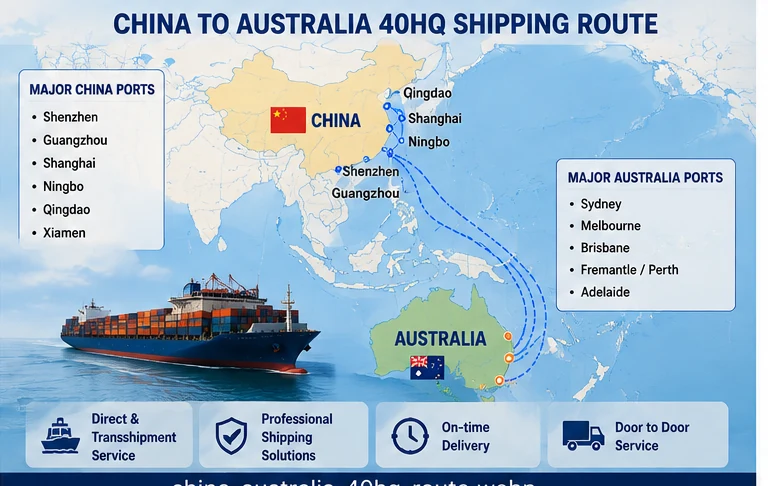
Plan FCL, LCL and air freight to Sydney, Melbourne, Brisbane, Fremantle or another suitable gateway—with China pickup, supplier consolidation and clear handoffs built around your cargo.
TengYoda coordinates supplier pickup, warehouse receiving, consolidation, export preparation and international freight from China. The shipment method and Australian gateway are assessed using the packed volume, weight, cargo characteristics, ready date and final destination.
An ocean or air rate is only one part of the shipment. Confirm China origin charges, international freight, Australian destination charges, clearance responsibilities, biosecurity risk and delivery requirements before accepting a quotation.
Common Chinese loading ports include Shanghai, Ningbo, Shenzhen, Guangzhou/Nansha, Qingdao, Tianjin and Xiamen. Supplier location, cargo availability and carrier service help determine the origin.
Sydney, Melbourne, Brisbane and Fremantle are common Australian container gateways. The nearest port is not automatically the lowest total-cost option: destination handling, delivery distance, service frequency and final address all matter.
Australian import and biosecurity treatment depends on the commodity, packing and cargo condition. The importer should verify current requirements before collection—not after the container arrives.
Send the product, suppliers, packages, packed sizes, weight, ready dates and Australian destination.
Review FCL, LCL or air freight using the complete cargo and required delivery scope.
Check packing, export documents and known Australian import or biosecurity considerations before dispatch.
Arrange agreed pickup, receiving, consolidation, export handling and carrier handoff.
Share documents and arrival information for clearance, release, delivery and container return planning.
Final packed information allows FCL, LCL and air options to be compared on a consistent basis.
Rates, schedules and import requirements change, so the answers focus on decisions that remain useful.
The appropriate method depends on cargo volume, urgency, handling needs and delivery scope. FCL can suit larger orders, LCL can suit smaller consolidated shipments, and air freight can suit urgent or higher-value cargo. Compare the complete scope rather than the headline freight rate alone.
Common container gateways include Sydney, Melbourne, Brisbane and Fremantle. The suitable port depends on the final destination, carrier service, cargo type and onward-delivery plan. Other ports may be assessed for a specific shipment.
Transit and total lead time vary with the Chinese loading port, Australian destination, direct or transshipment routing, carrier schedule, cargo-ready date, customs and biosecurity processing. A current sailing should be checked for every booking.
There is no reliable permanent rate. Cost depends on volume, weight, container or LCL method, origin collection, route, season, destination charges and delivery scope. Request a shipment-specific quotation using final packed measurements.
Yes. TengYoda can coordinate supplier deliveries to an agreed China warehouse, receiving references and consolidation before the outbound shipment. Final measurements are used to compare LCL, FCL or air options.
Identify timber packaging, plant or animal material, soil contamination and used machinery before shipment. The Australian importer should confirm current import and biosecurity conditions with the relevant authorities or a qualified local broker. Cargo should be clean and supporting treatment documents prepared where required.
Share the suppliers, cargo, packed measurements and Australian destination for a shipment-specific assessment.