FCL container shipping
Container planning for commercial goods, parts and suitably loaded vehicles, with origin pickup and export handoffs.
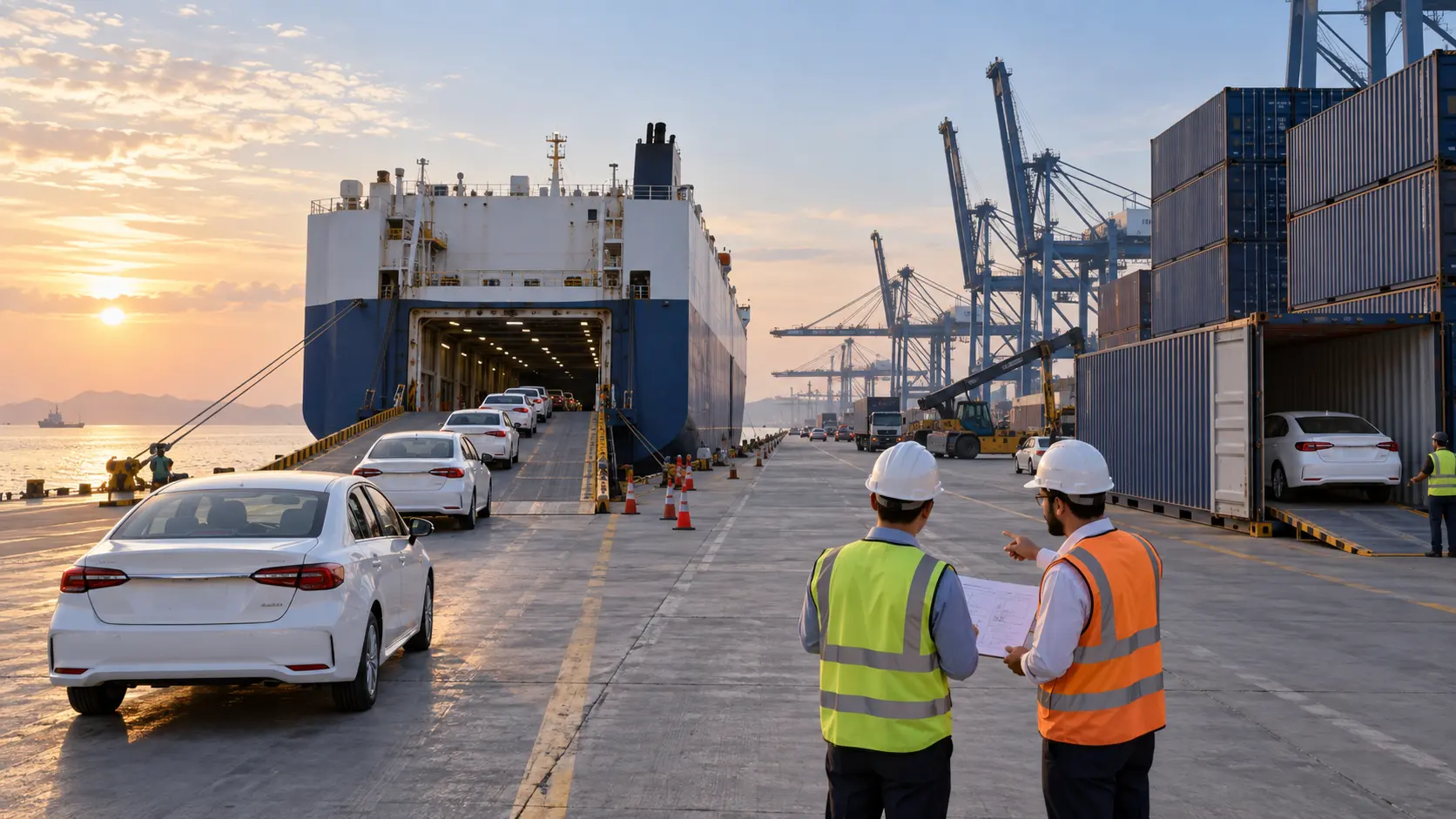
Plan FCL, LCL, RoRo vehicles, machinery and project cargo shipments to Sohar, Duqm or another suitable Omani port—with China-side coordination based on the actual cargo.
TengYoda coordinates supplier pickup, origin handling, export preparation and international freight from China. For Oman, the plan may involve container shipping, RoRo, breakbulk or another project solution depending on cargo characteristics, route availability and destination handling.
Vehicle, container and project-cargo pricing changes with space, route, equipment, dimensions, handling and market conditions. The quotation should state its validity, included scope, assumptions and known exclusions.
Potential China origins include Shanghai, Ningbo, Qingdao, Tianjin, Shenzhen and Nansha. Nansha can be relevant to South China vehicle projects, but the origin must reflect the cargo location and available vessel service.
Sohar and Duqm are important references for Oman-bound cargo. The correct discharge port depends on carrier acceptance, service frequency, cargo handling and final delivery. Routing may be direct or transshipped and is confirmed per booking.
A large vehicle enquiry—such as 500 sedans from China to Oman—requires a capacity and operations assessment. It is a planning scenario, not a claim that TengYoda completed a specific 500-car shipment.
Send the cargo list, sizes, weights, photos, pickup points, ready date and Oman destination.
Review container, RoRo, breakbulk or project options against current route availability.
Confirm origin, freight and requested destination tasks, plus assumptions and exclusions.
Arrange agreed collection, receiving, export preparation and carrier or vessel handoff.
Share documents and arrival information for the consignee or appointed Oman agent.
For vehicles and machinery, technical details affect both carrier acceptance and handling.
Route, rate and acceptance details are confirmed shipment by shipment.
A large vehicle enquiry needs a dated allocation and acceptance review. Provide the complete model mix, dimensions, readiness, origin location and preferred delivery window. Compare available RoRo capacity with container loading only after a safe loading and unloading plan is established.
Declare that it is a shipper-owned container (SOC) before requesting a rate. Carrier acceptance, container condition and documentation must be reviewed separately from a carrier-owned container quote.
Only if inland transport is explicitly listed. Ask for the port charges, clearance scope, truck delivery, unloading and any waiting time to be separated in writing.
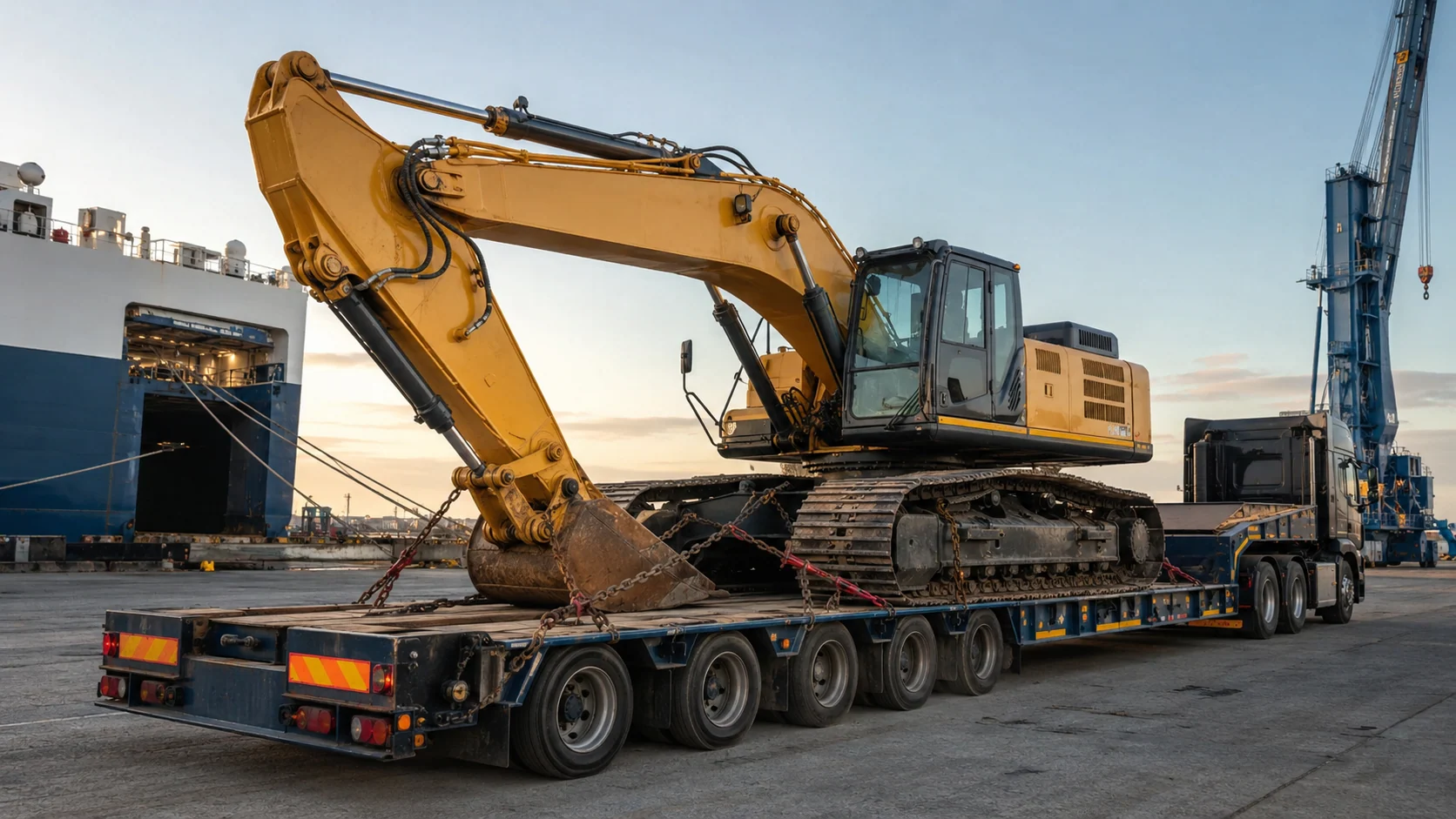
FCL and LCL sea freight can suit general cargo, while RoRo, container loading, flat rack, breakbulk or other project options may be assessed for vehicles and machinery. The appropriate method depends on dimensions, weight, operability, packing, quantity and the final destination.
The suitable port depends on carrier service, cargo type, vehicle or equipment handling, the consignee location and onward-delivery plan. Sohar and Duqm can both be assessed, while another Omani gateway may be appropriate for a specific booking.
RoRo may be assessed for accepted self-propelled vehicles on an available service. Vehicle dimensions, condition, keys, fuel level, operability, documentation and terminal rules must be confirmed. Route and space are not guaranteed until the carrier confirms the booking.
RoRo can reduce container loading work where a suitable service exists. Containers can offer another option for smaller lots or routes without suitable RoRo space, but require a safe loading, securing and unloading plan. Compare the complete operational and cost scope.
Transit and total lead time change with the loading port, Omani destination, direct or transshipment routing, vessel schedule, cargo acceptance and port operations. TengYoda checks the proposed schedule for each shipment instead of publishing a permanent estimate.
Provide the cargo description, quantity, packed dimensions, gross weight, pickup location, ready date and destination. For vehicles, add make, model, VIN status, dimensions, weight, value, fuel type and whether each unit can move under its own power.
Share the vehicle list or cargo details for a container, RoRo or project-shipping assessment.